Fixing India’s Sewage Problem
Sewage treatment systems are being built that are simpler and less expensive.
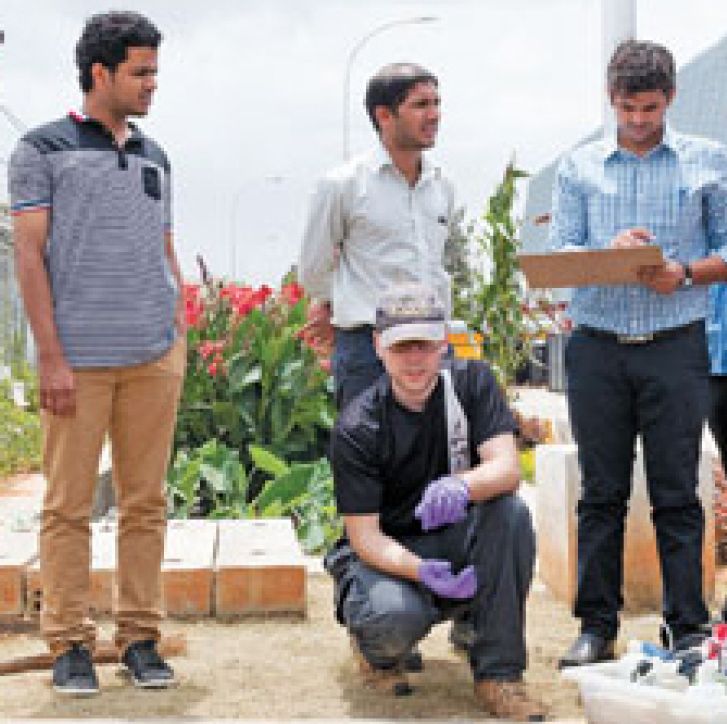
Sewage treatment systems are being built that are simpler and less expensive.
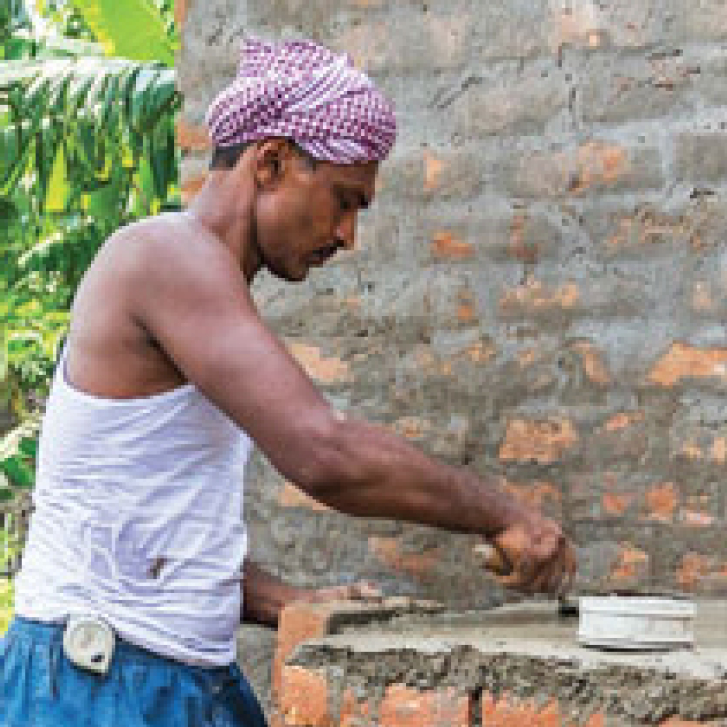
The Aga Khan Development Network is empowering communities.

Focusing on reducing costs can be the key to unlocking results at greater scale. Nonprofits in India and the United States provide important lessons for NGOs around the world on just how to do that.

India provides particularly fertile ground for the gender-lens grantmaking movement.
Proprietary data can help improve and save lives, but fully harnessing its potential will require a cultural transformation in the way companies, governments, and other organizations treat and act on data.
To bring more resources to bear on the challenges facing children and families, funders can step outside their traditional grantmaking role to invest in innovative and mission-focused efforts.

Many organizations are creating and disseminating knowledge about the practice of philanthropy, but does that information actually influence how funders operate?

Four lessons for innovators, funders, and policymakers working to promote financial health in the United States.
How the social sector might transform from a market for funding to a market for social impact.
Most foundations have endowments with invested assets—but many don’t see themselves as institutional investors. As a result, they are leaving behind some of their influence.